WHY Brass is Important
In Hindu spiritual practice, the materials chosen for worship items are never random. Every metal, stone, or wood used carries specific properties meant to align physical space with higher spiritual states. Among these materials, brass (Pital) holds a uniquely elevated place for crafting sacred Murtis (divine idols) and Lotas (ritual water vessels).
By blending practical metallurgy, Ayurvedic science, and Vedic spirituality, brass bridges our everyday physical environment with the subtle energies of the divine. Let’s look closely at why this alloy is so vital to Hindu rituals.
The Spiritual and Scientific Importance of Brass
1. Spiritual Energy and Panchadhatu Roots
Brass is a binary alloy composed primarily of copper and zinc. In Sanatana Dharma, metals are categorized by their capacity to channel Prana (life force) and spiritual frequencies. While pure metals like gold and silver are highly revered, they are often too scarce or soft for daily household worship items. Brass offers a durable, accessible alternative that closely mimics the properties of Panchadhatu—the sacred five-metal alloy (gold, silver, copper, iron, and zinc) used in major temple idols.
Copper is associated with Solar energy (Surya), carrying heat, vitality, and action. Zinc is traditionally linked with Lunar or Venusian energies, bringing stability and flow. When fused into brass, these metals create a harmonious compound that can absorb, hold, and radiate the protective frequencies of a deity during daily prayers.
2. Sound Resonance and Positive Vibrations
A critical element of any puja (worship ritual) is sound vibration. During rituals, brass implements—including bells (Ghanti), lotas, and plates—are frequently struck or gently moved. Brass possesses excellent sonic resonance. When struck, it emits a clear, sharp, high-frequency sound that lingers in the air.
According to Agama scriptures, this specific acoustic frequency helps clear a space of low-energy thought forms, enhances mental focus, and alerts the practitioner’s consciousness. The ringing sound creates an auditory boundary, transforming a standard room into a sanctified space.
Why Brass is Ideal for Lord Murtis
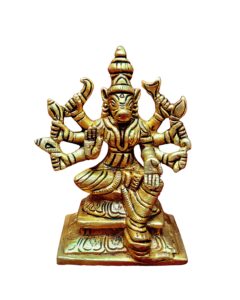
Crafting a deity’s idol requires a metal that satisfies both structural needs and spiritual requirements. Brass fits these demands perfectly for several distinct reasons:
Detailing and Artistic Precision: Brass has an optimal melting point and excellent fluidity when molten. This allows artisans to use traditional casting methods—like the ancient cire-perdue (lost-wax) process—to capture incredibly fine details. The intricate expressions of a face, the delicate lines of a mudra (sacred hand gesture), and the precise patterns of divine drapery remain crisp and clear in brass.
The Warmth of Sattva: Visually, polished brass gleams with a rich, golden hue. In Vedic thought, gold symbolizes the Sattva Guna (the quality of purity, light, and harmony). A brass Murti brings that golden aura into home altars at a fraction of the cost, reflecting the light of oil lamps (diyas) beautifully.
Resilience During Abhishekam: Hindu worship often involves Abhishekam—the ritual bathing of the deity with liquids like milk, honey, yogurt, gangajal, and panchamrit. Unlike iron or low-grade alloys, brass resists rapid rust and structural degradation. While it will develop a natural patina over time due to oxidation, it can be easily cleaned with simple acidic natural elements like tamarind or lemon juice, restoring its bright luster without wearing away the details of the idol.
The Sacred Geometry and Health Benefits of the Brass Lota
The Lota or Kalash is more than just a container; it represents the cosmos itself. The spherical base symbolizes the earth, the narrow neck represents the channels of life force, and the open mouth represents the expansive divine consciousness. Using brass for this specific vessel yields distinct advantages.
1. The Power of Charged Water
Water is highly receptive to its physical container and surrounding intentions. When pure water is stored in a brass lota, minor traces of copper and zinc ions naturally dissolve into the liquid over several hours.
| Metal Component | Main Health Benefits | Ayurvedic Properties |
| Copper | Natural antimicrobial; assists in digestive health and skin vitality. | Balances the three doshas (Vata, Pitta, Kapha). |
| Zinc | Supports immune defense, metabolic health, and tissue repair. | Promotes cellular health and structural strength. |
When this water is offered to the deity as Arghya (water offering) and later distributed to devotees as Charanamrit (blessed nectar), it serves a dual purpose: it carries spiritual blessings while offering gentle wellness benefits to the physical body.
2. Longevity and Structural Stability
Water vessels are handled multiple times a day during morning prayers, Surya Arghya (offerings to the Sun), and evening rituals. A brass lota is robust enough to withstand decades of heavy daily use. It handles drops and temperature variations without cracking, making it a reliable, long-term fixture for generational family altars.
Precautions for Using Brass in Rituals
To maintain the purity and longevity of your brass items, keep a few traditional care practices in mind:
Avoid Harsh Chemical Cleaners: Strong chemical abrasives can strip the metal unnaturally or leave chemical residues that interfere with Abhishekam. Stick to natural mixtures of pitambari powder, lemon, or tamarind pastes.
Prevent Long-Term Acid Stagnation: While brass handles brief contact with acidic ritual ingredients like curd or honey during a puja, these substances should not be left to sit in a brass vessel for long periods, as heavy oxidation can create a green film (verdigris) that requires extra effort to clean.
Regular Drying: After completing water offerings, wipe your murtis and lota down with a clean, dry cotton cloth to prevent water spots and keep the gold-like finish bright.
The Core Philosophical Meaning: Ultimately, choosing brass over modern alternatives like plastics, steel, or aluminum is a conscious step toward mindful worship. It connects us to a long lineage of artisans and yogic sciences that treat every sensory experience—visual, auditory, and physical—as a stepping stone toward inner peace.